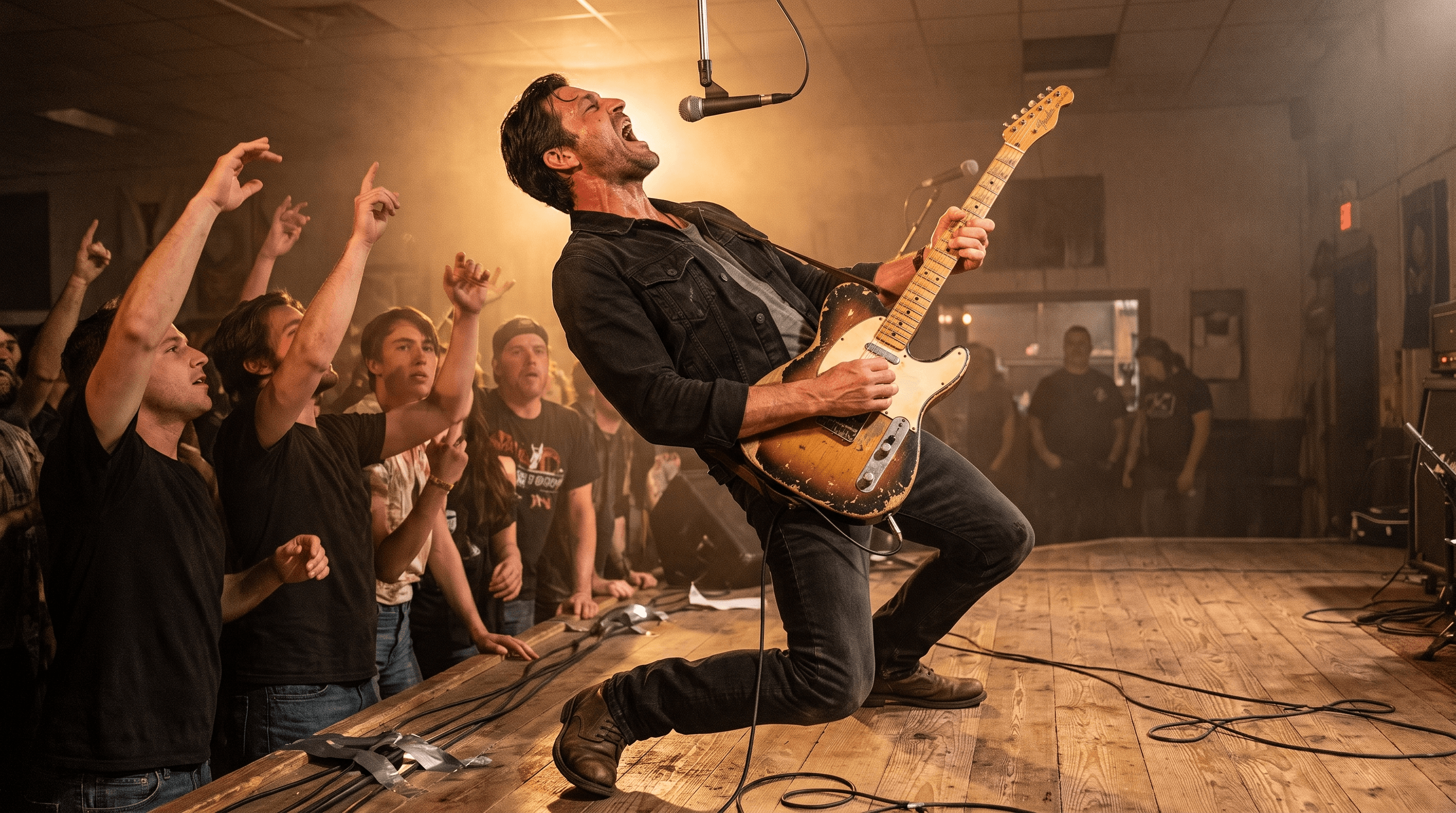
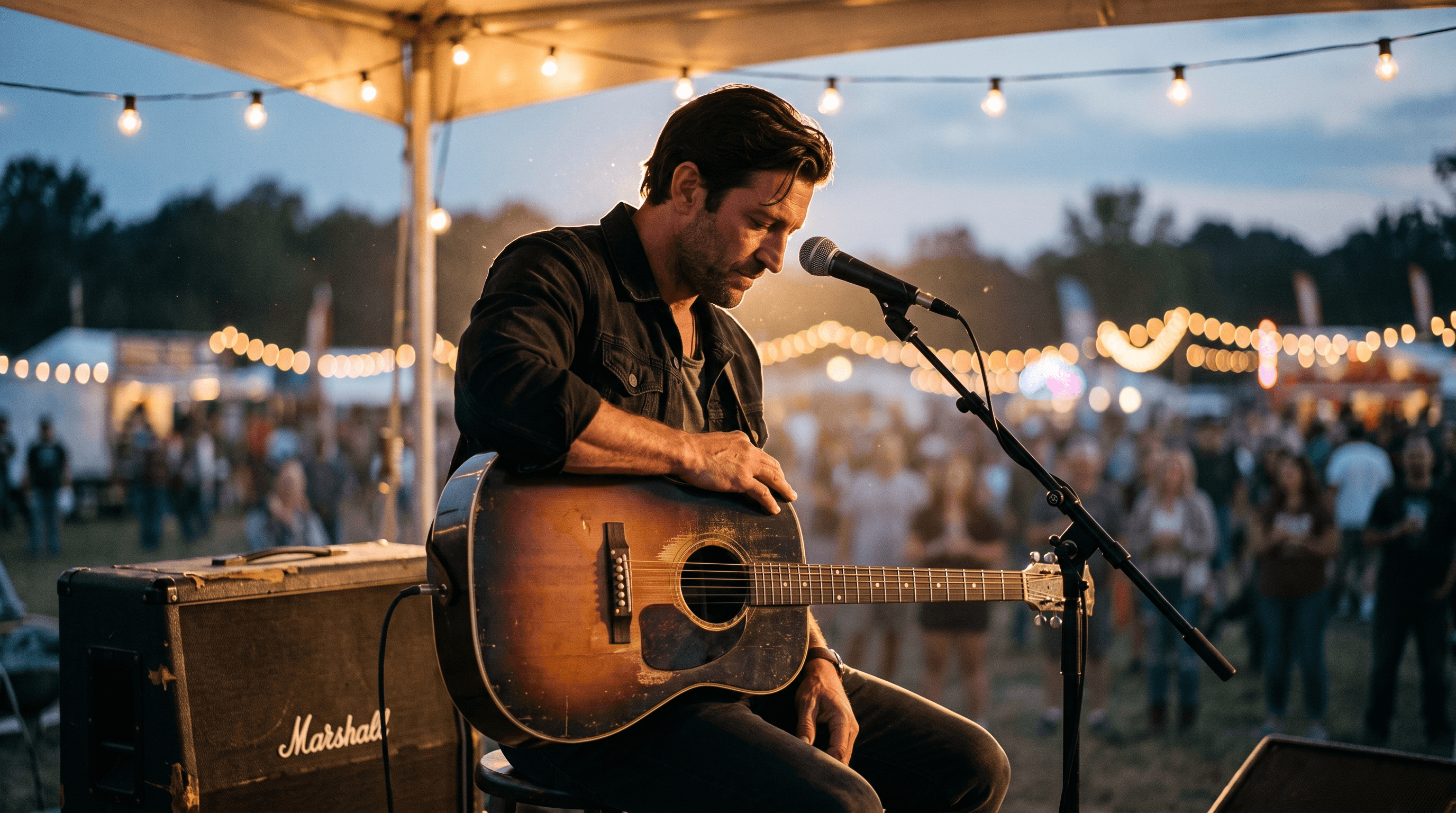
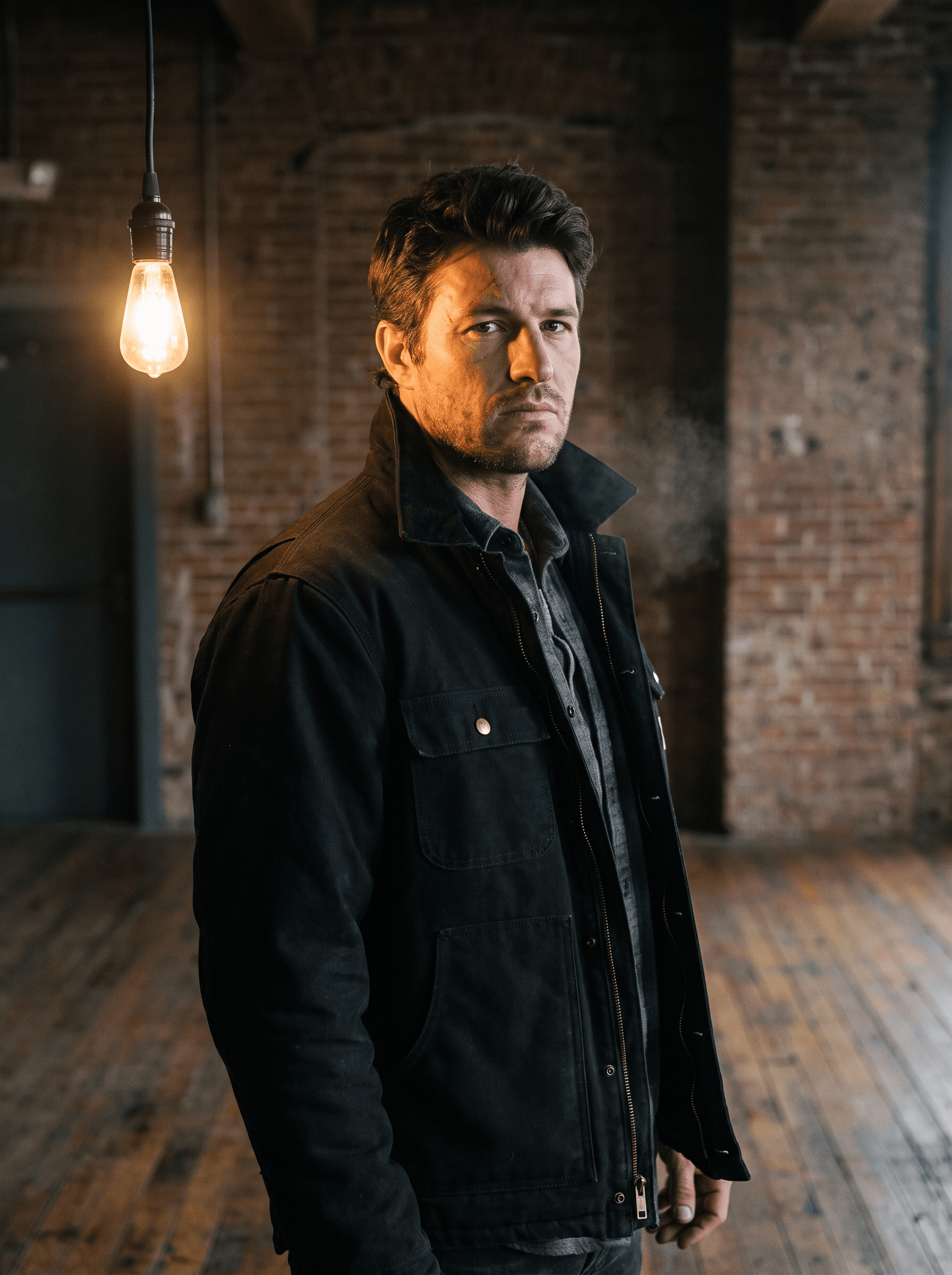
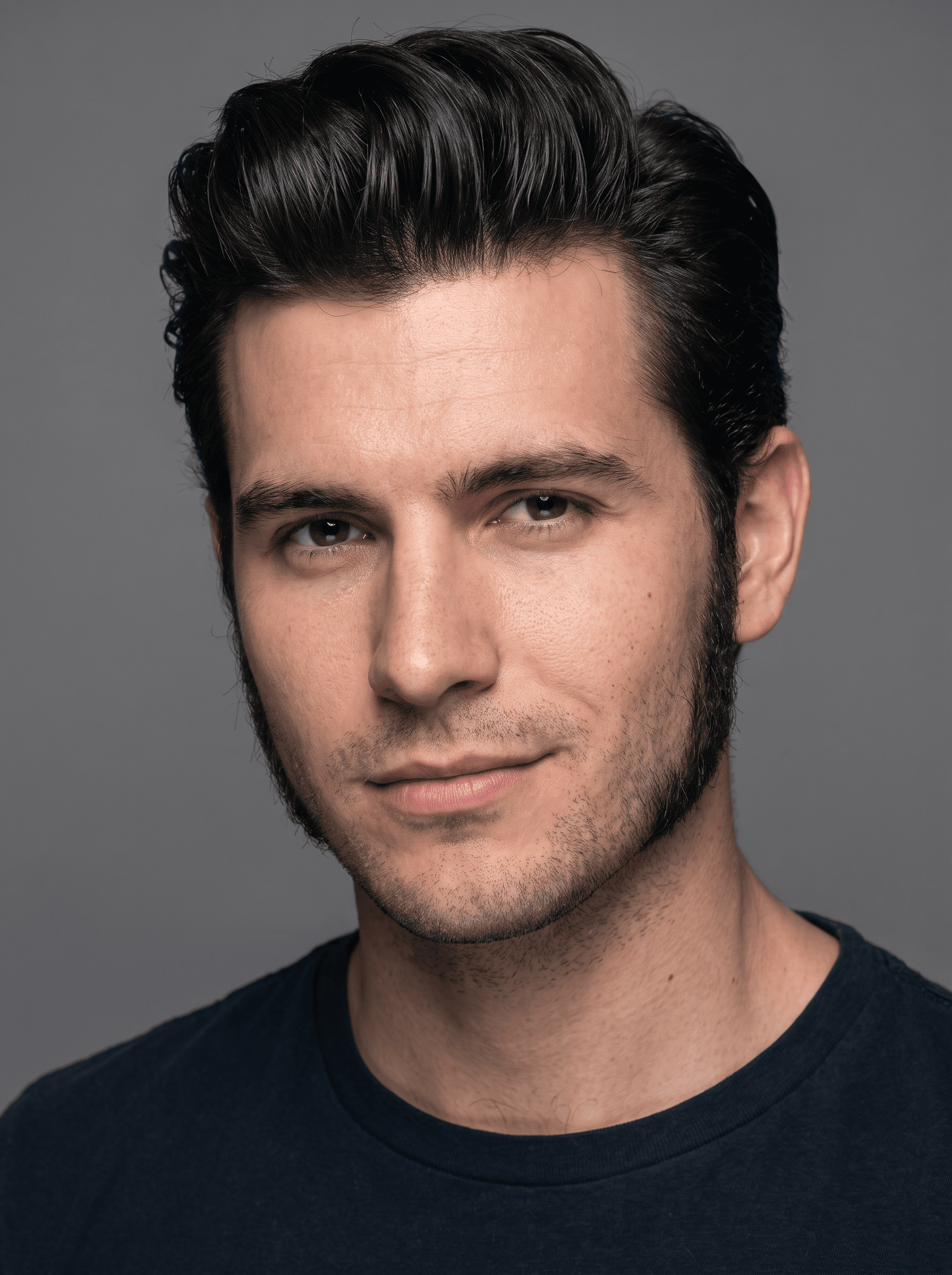
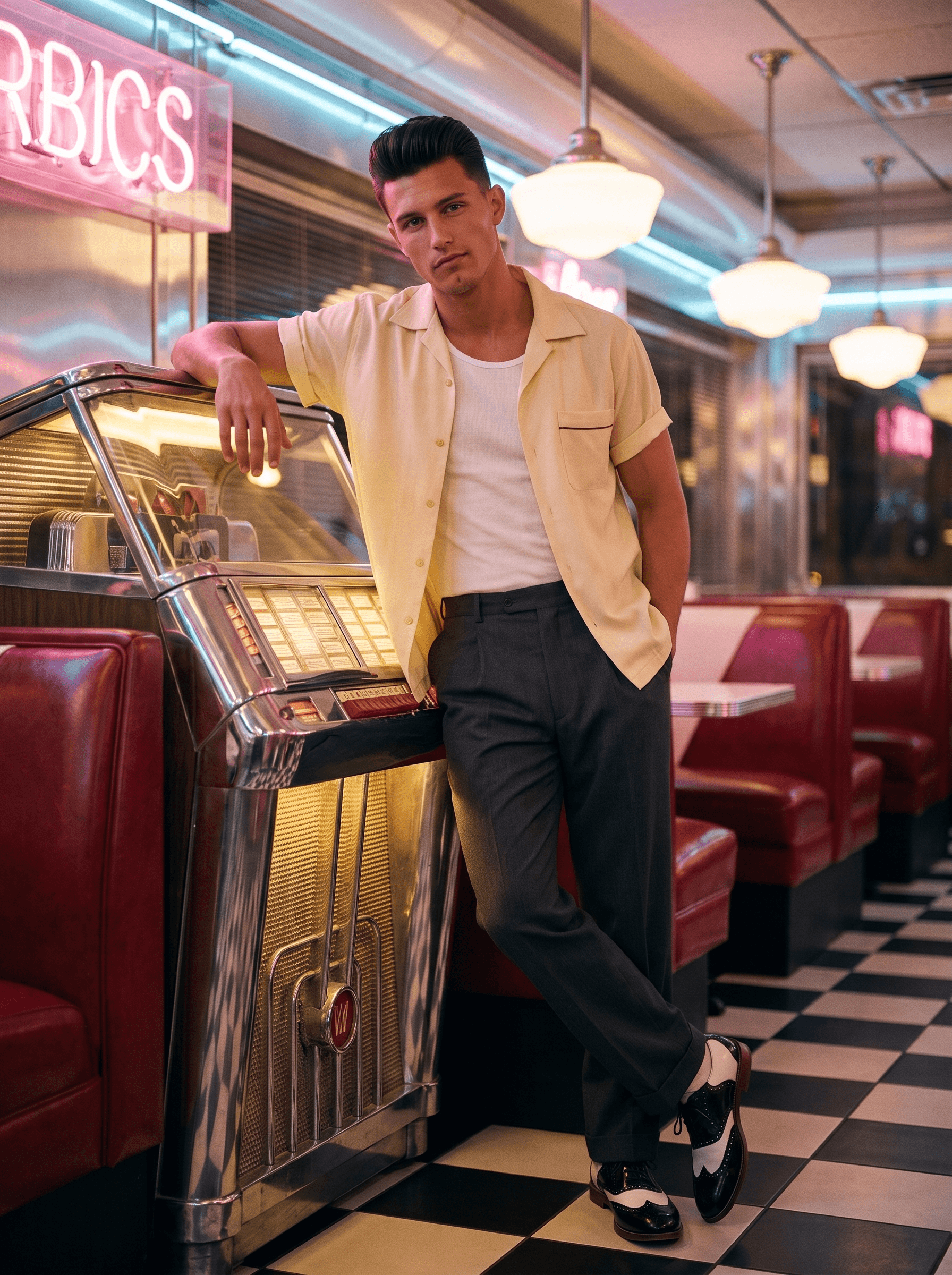
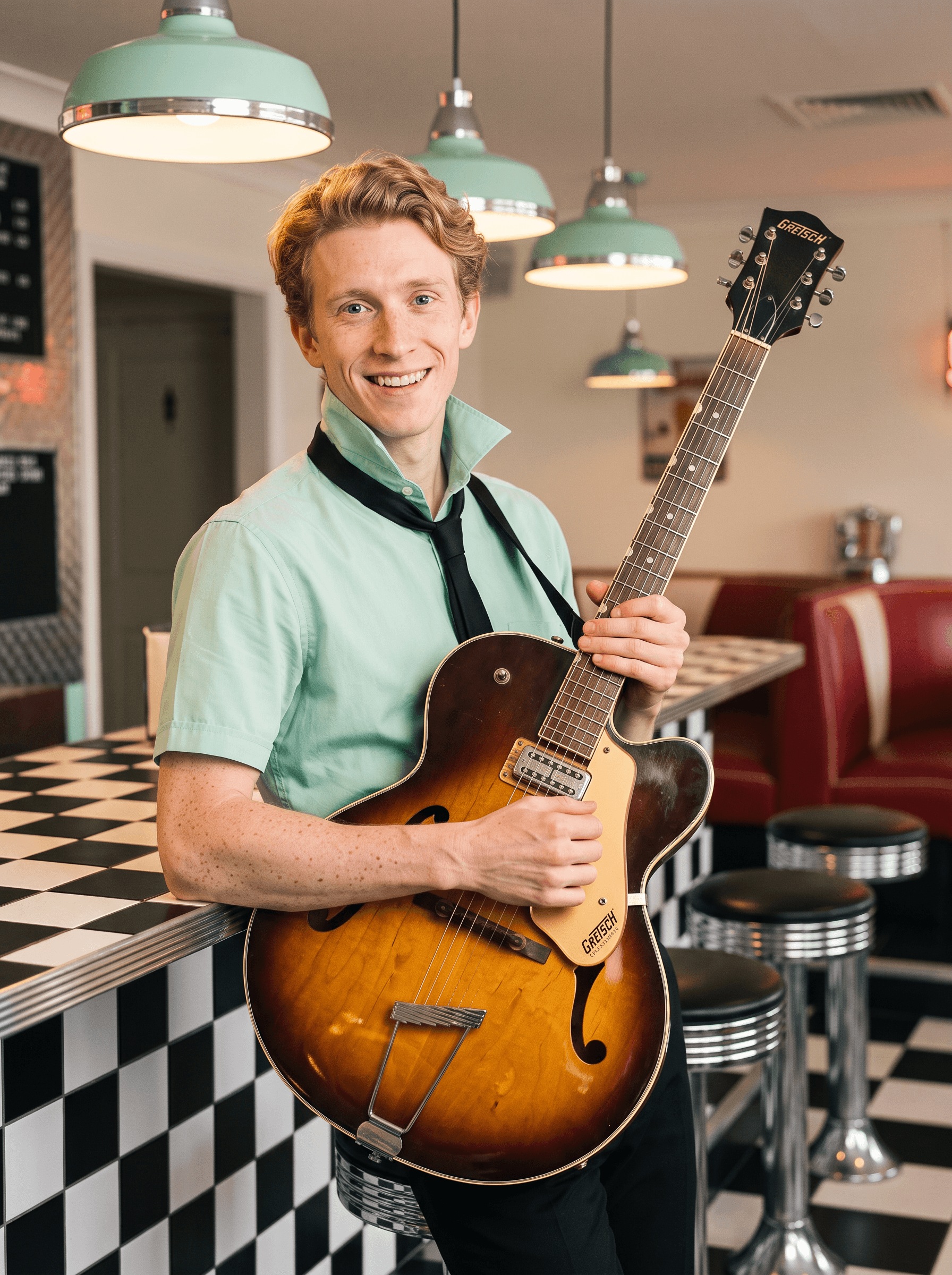
Weston Pryor learned to write songs the way mill towns learn to survive—by refusing to quit. Raised in Pittsburgh’s South Side, he grew up between shuttered steel yards and late-night diners, absorbing the grit of a city that still hummed with unfinished business. His first guitar was a pawn-shop Telecaster with a cracked neck; his first stage was a VFW hall where the PA cut out mid-chorus and nobody left. That stubbornness became the spine of his sound: gritty, guitar-driven alt-rock built on melodic hooks sharp enough to catch in your throat and vocals that sound like a confession after last call. Pryor’s songs don’t romanticize struggle—they document it. Factory shift heartbreak, rivers that remember better days, the quiet dignity of almost making it. Influenced by the raw urgency of ’90s alternative and the working-class poetry of heartland rock, he writes for anyone who’s been one bad week from breaking and kept going anyway. Every chorus feels like a fist raised in a parking lot at 2 a.m.—not victory, but refusal.
Music
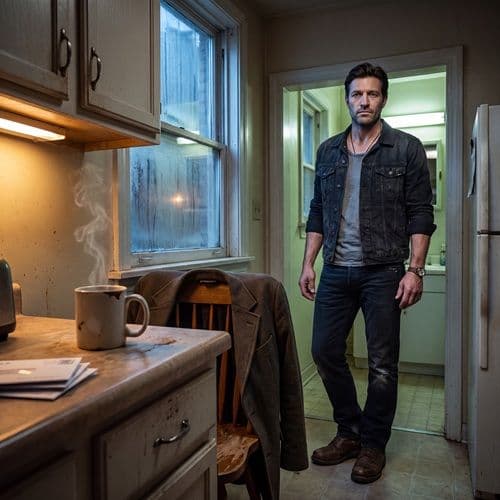
Ordinary Damage
Meet Weston Pryor
“Rust-belt anthems for the almost-broken.”
Weston Pryor learned to write songs the way mill towns learn to survive—by refusing to quit. Raised in Pittsburgh’s South Side, he grew up between shuttered steel yards and late-night diners, absorbing the grit of a city that still hummed with unfinished business. His first guitar was a pawn-shop Telecaster with a cracked neck; his first stage was a VFW hall where the PA cut out mid-chorus and nobody left. That stubbornness became the spine of his sound: gritty, guitar-driven alt-rock built on melodic hooks sharp enough to catch in your throat and vocals that sound like a confession after last call. Pryor’s songs don’t romanticize struggle—they document it. Factory shift heartbreak, rivers that remember better days, the quiet dignity of almost making it. Influenced by the raw urgency of ’90s alternative and the working-class poetry of heartland rock, he writes for anyone who’s been one bad week from breaking and kept going anyway. Every chorus feels like a fist raised in a parking lot at 2 a.m.—not victory, but refusal.
Live Performances