Country / Neotraditional Country / Americana
Waylon Booth
Coal country blood, hollow-road gospel — music carved from the mountain, not manufactured for it.
▶ Listen NowWaylon Booth was born in Harlan County, Kentucky — deep in the Cumberland Mountains, where the coal seams run thin and the family names run deep. His grandfather worked the Benham mines; his father drove a supply truck up logging roads until his back gave out at fifty-two. His mother sang in a Primitive Baptist church that didn't use instruments, which meant Waylon grew up understanding what a single voice could carry — grief, faith, defiance — without accompaniment.
He got his first guitar at fourteen from a pawnshop in Middlesboro — a battered Martin copy with a warped neck that he learned to play around. By sixteen he was sitting in with old-timers at a VFW hall in Cumberland, learning Bill Monroe breakdowns and Lefty Frizzell phrasing from men thirty years his senior who didn't have much patience for sentiment but had infinite tolerance for precision. That early training is audible in everything Waylon does: the respect for form, the economy of expression, the refusal to oversell a moment.
In his early twenties, Booth left Harlan County the way most people leave Harlan County — not quite by choice. A stint in Lexington, then Nashville (where he lasted eight months before deciding the city wanted songs, not stories), then a long drive back east to Bristol, Tennessee, where he found a community of like-minded writers and players orbiting the same Appalachian aesthetic that Tyler Childers and Charles Wesley Godwin had been building into something that Nashville couldn't own.
Waylon Booth writes about what he knows: men who inherit damage they didn't choose, land that gets into your blood whether you want it to or not, love that survives the worst conditions people can create for it, and faith held loosely by hands that have done work they're not proud of. He doesn't write anthems. He writes testimonies.
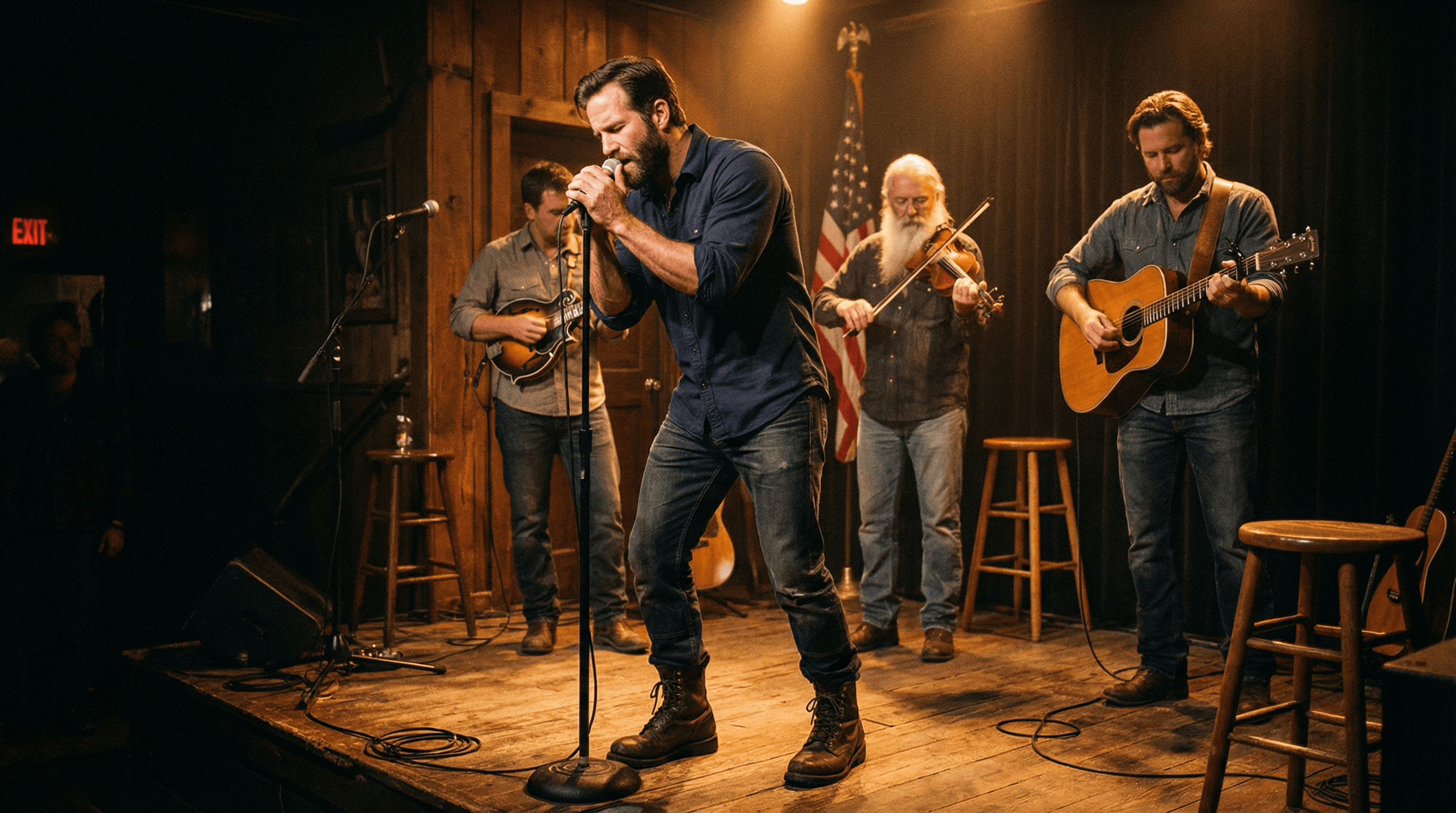
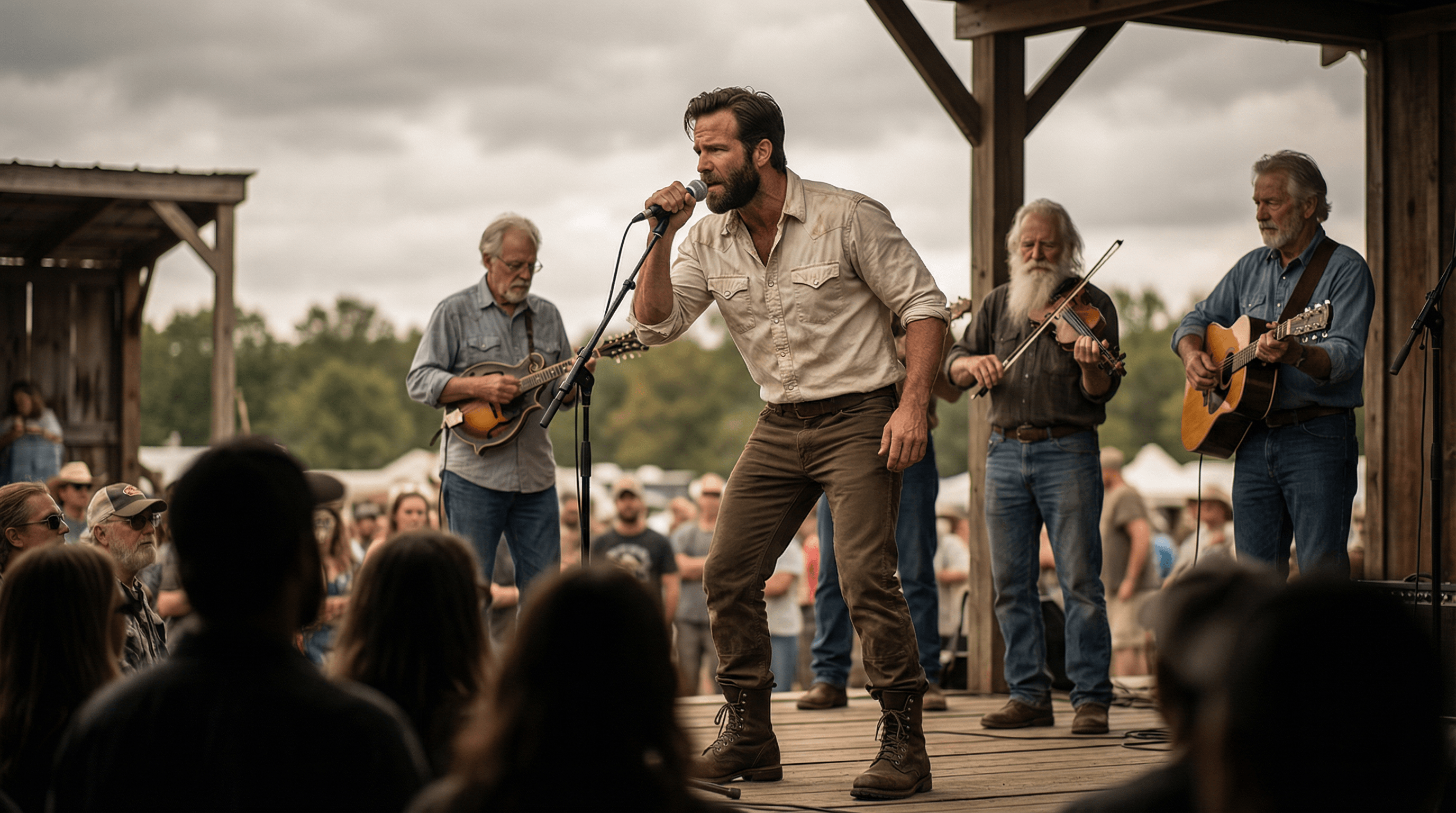
His sound is rooted in neotraditional country — fiddle, banjo, acoustic guitar, pedal steel — but arranged with a modern Americana restraint that keeps the production from feeling nostalgic. The songs breathe. The instruments earn their place. The voice is the instrument that everything else serves.
Music
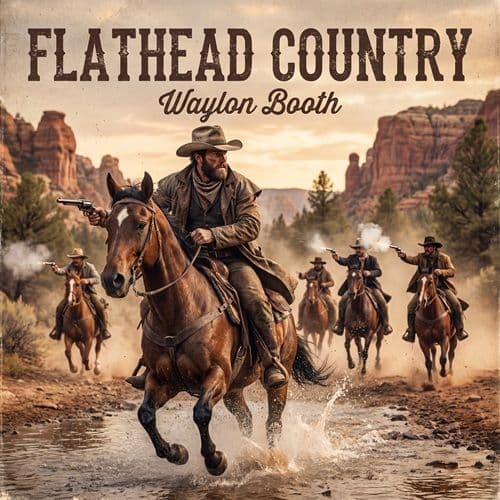
Flathead County
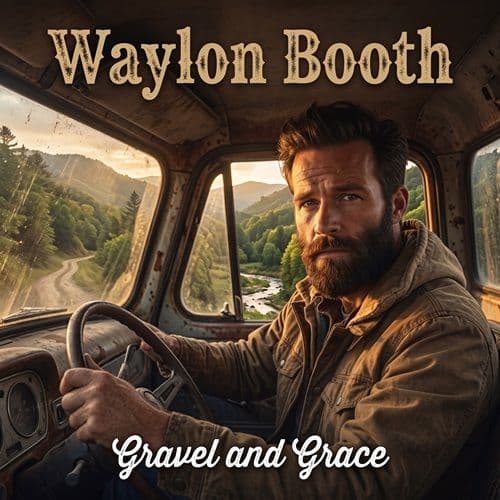
Gravel and Grace
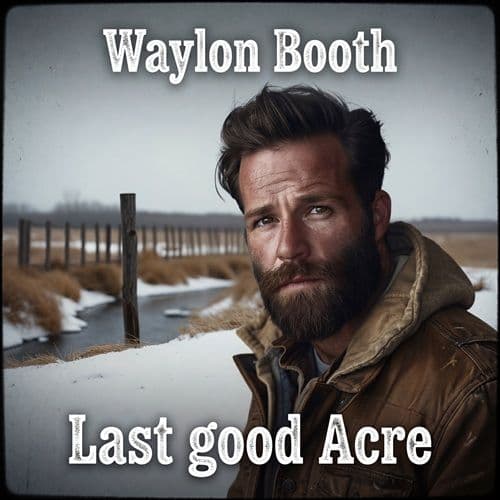
Last Good Acre
Meet Waylon Booth
“Coal country blood, hollow-road gospel — music carved from the mountain, not manufactured for it.”
Waylon Booth was born in Harlan County, Kentucky — deep in the Cumberland Mountains, where the coal seams run thin and the family names run deep. His grandfather worked the Benham mines; his father drove a supply truck up logging roads until his back gave out at fifty-two. His mother sang in a Primitive Baptist church that didn't use instruments, which meant Waylon grew up understanding what a single voice could carry — grief, faith, defiance — without accompaniment.
He got his first guitar at fourteen from a pawnshop in Middlesboro — a battered Martin copy with a warped neck that he learned to play around. By sixteen he was sitting in with old-timers at a VFW hall in Cumberland, learning Bill Monroe breakdowns and Lefty Frizzell phrasing from men thirty years his senior who didn't have much patience for sentiment but had infinite tolerance for precision. That early training is audible in everything Waylon does: the respect for form, the economy of expression, the refusal to oversell a moment.
In his early twenties, Booth left Harlan County the way most people leave Harlan County — not quite by choice. A stint in Lexington, then Nashville (where he lasted eight months before deciding the city wanted songs, not stories), then a long drive back east to Bristol, Tennessee, where he found a community of like-minded writers and players orbiting the same Appalachian aesthetic that Tyler Childers and Charles Wesley Godwin had been building into something that Nashville couldn't own.
Waylon Booth writes about what he knows: men who inherit damage they didn't choose, land that gets into your blood whether you want it to or not, love that survives the worst conditions people can create for it, and faith held loosely by hands that have done work they're not proud of. He doesn't write anthems. He writes testimonies.
His sound is rooted in neotraditional country — fiddle, banjo, acoustic guitar, pedal steel — but arranged with a modern Americana restraint that keeps the production from feeling nostalgic. The songs breathe. The instruments earn their place. The voice is the instrument that everything else serves.
Live Performances